
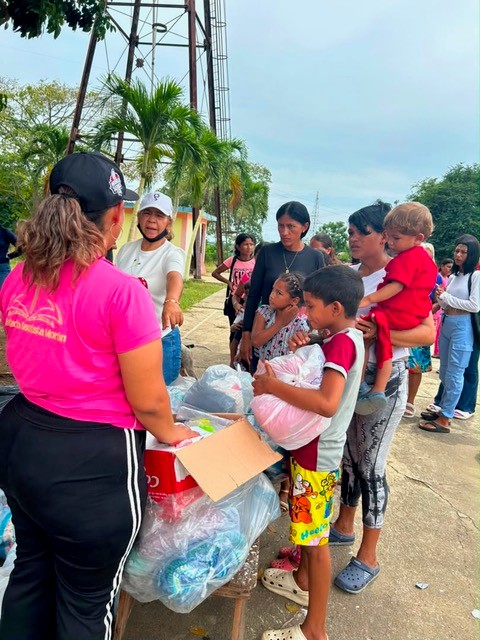
In the aftermath of Venezuela’s devastating earthquakes, our first priority was simple: respond quickly, serve people, and learn what works.
Over the past several days, that vision has begun to take practical shape.
In Caraballeda, one of the hardest-hit communities along the La Guaira coast, we established and tested our model for a church-based emergency response center. Working from a local church in the heart of the affected area, our team has been developing the capacity to provide food, basic assistance, communications, and a safe place where people can gather and receive help.
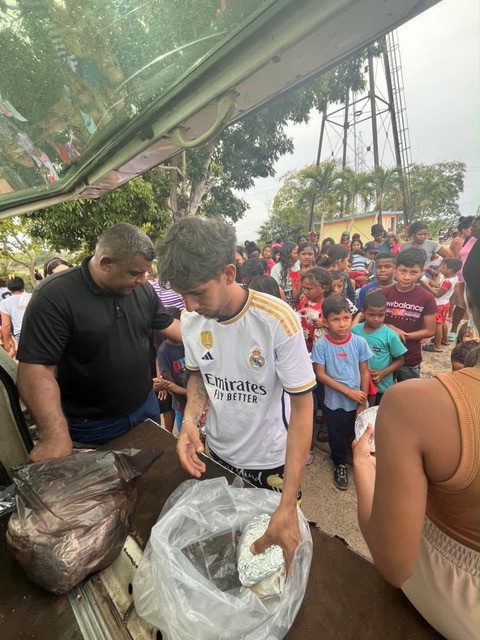
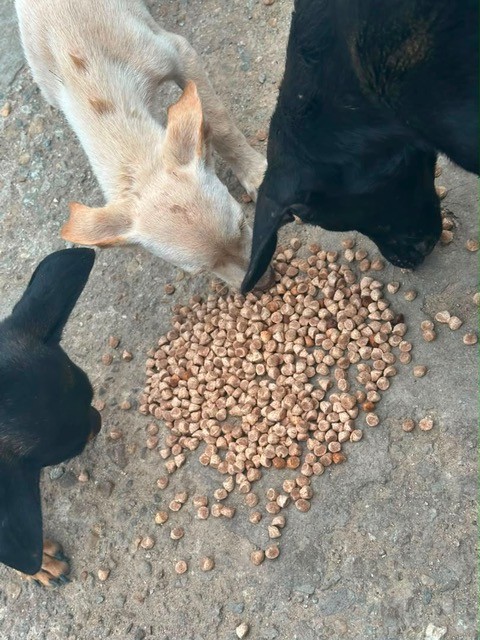
In Morón, we have now provided the equipment needed to establish a similar center serving communities affected by the earthquakes and prolonged disruption of basic services.
These first locations are helping us understand how local churches can become effective centers of service during both the emergency and the long recovery ahead.
Strategic Partnerships Are Expanding Our Capacity
One of the most encouraging developments has been the formation of new partnerships that are significantly strengthening our ability to serve affected communities.
Through a partnership with Medic Corps, we are receiving medicines as well as three Starlink satellite internet kits, together with 90 days of free internet service provided courtesy of SpaceX. Reliable communications are essential in communities where conventional infrastructure has been damaged or disrupted.
We have also established direct communication with SpaceX hoping to secure additional Starlink kits and continued service as the network expands.
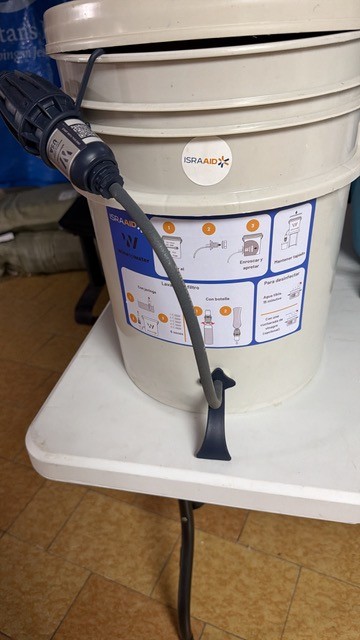
IsraAID has also provided water filtration systems in Caraballeda, addressing another critical need. Access to safe drinking water becomes increasingly important as damaged infrastructure, extreme heat, displacement, and sanitation problems increase the risk of disease. We hope to receive additional kits.
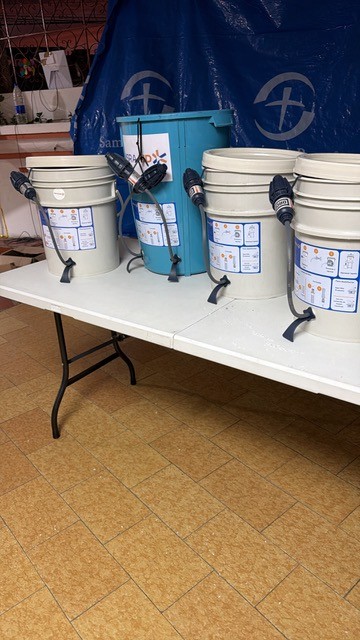
These partnerships allow us to combine local relationships with specialized resources and technology.
The Local Church as a Center of Service
Our strategy is based on a simple reality we observed immediately after the earthquakes: when normal systems were disrupted, people naturally gathered at trusted places in their communities.
In many areas, those places were local churches.
These churches already have buildings, trusted leaders, volunteers, community relationships, and a long-term commitment to the people around them. What they often lack is equipment and infrastructure.
Our goal is to help change that.
We are developing a coalition of 25 churches prepared to serve their communities. Each location will be adapted to local needs and capacity, but the broader model includes electricity, communications, clean water, food preparation, emergency supplies, basic medical assistance, temporary shelter, and coordination with relief partners.
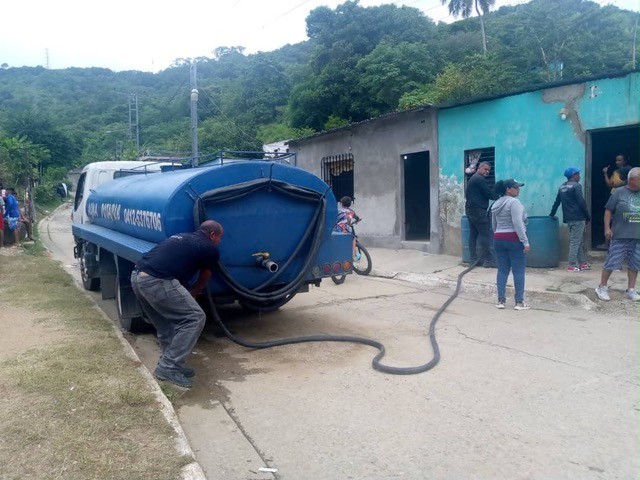
The goal is not to create temporary distribution points that disappear when the emergency phase ends. We want to help establish sustainable centers of service that remain active throughout stabilization, recovery, and long-term community development.
Learning, Adapting, and Expanding
Caraballeda has become our first testing ground.
Morón represents the next stage of implementation.
The partnerships with Medic Corps, SpaceX, and IsraAID give us new capacity to expand responsibly into other communities, including areas where damaged infrastructure and geographic isolation make assistance especially difficult.
We are learning every day. We are listening to local leaders, adapting the model, strengthening partnerships, and identifying where resources can have the greatest impact.
The earthquakes created an enormous humanitarian crisis. The needs remain overwhelming, and recovery will take years.
But amid the destruction, we are also seeing something powerful: local leaders stepping forward, churches opening their doors, international partners sharing their expertise, and communities refusing to abandon one another.
Our commitment is to remain present—not only during the emergency, but through the long road of recovery.
We believe rebuilding is about more than restoring buildings. It is about strengthening communities, restoring dignity, and creating local capacity that will endure long after the immediate crisis has passed.
Serving people. Restoring dignity.