
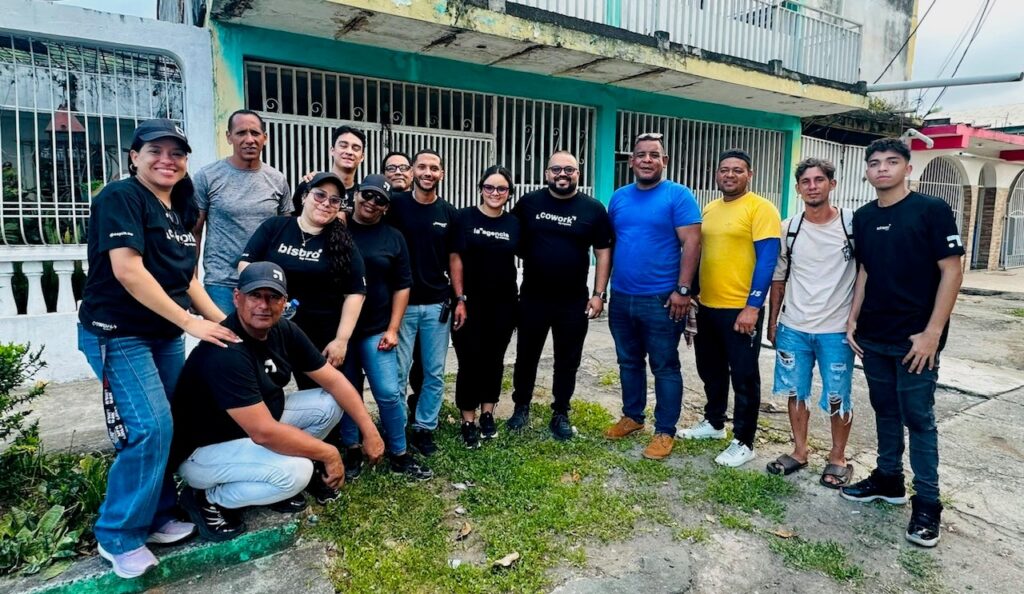
When disaster strikes, people instinctively look for a place of safety.
In the aftermath of the recent earthquakes, communities throughout the Morón–San Felipe corridor in Venezuela have been left without electricity, communications, and reliable access to food and medical care. In many areas, power has been out for days, roads have been damaged, and families are searching for somewhere to find help, charge a phone, receive a hot meal, or simply know they are not alone.
One of those places is Primera Iglesia Bautista de Morón pastored by Abraham.
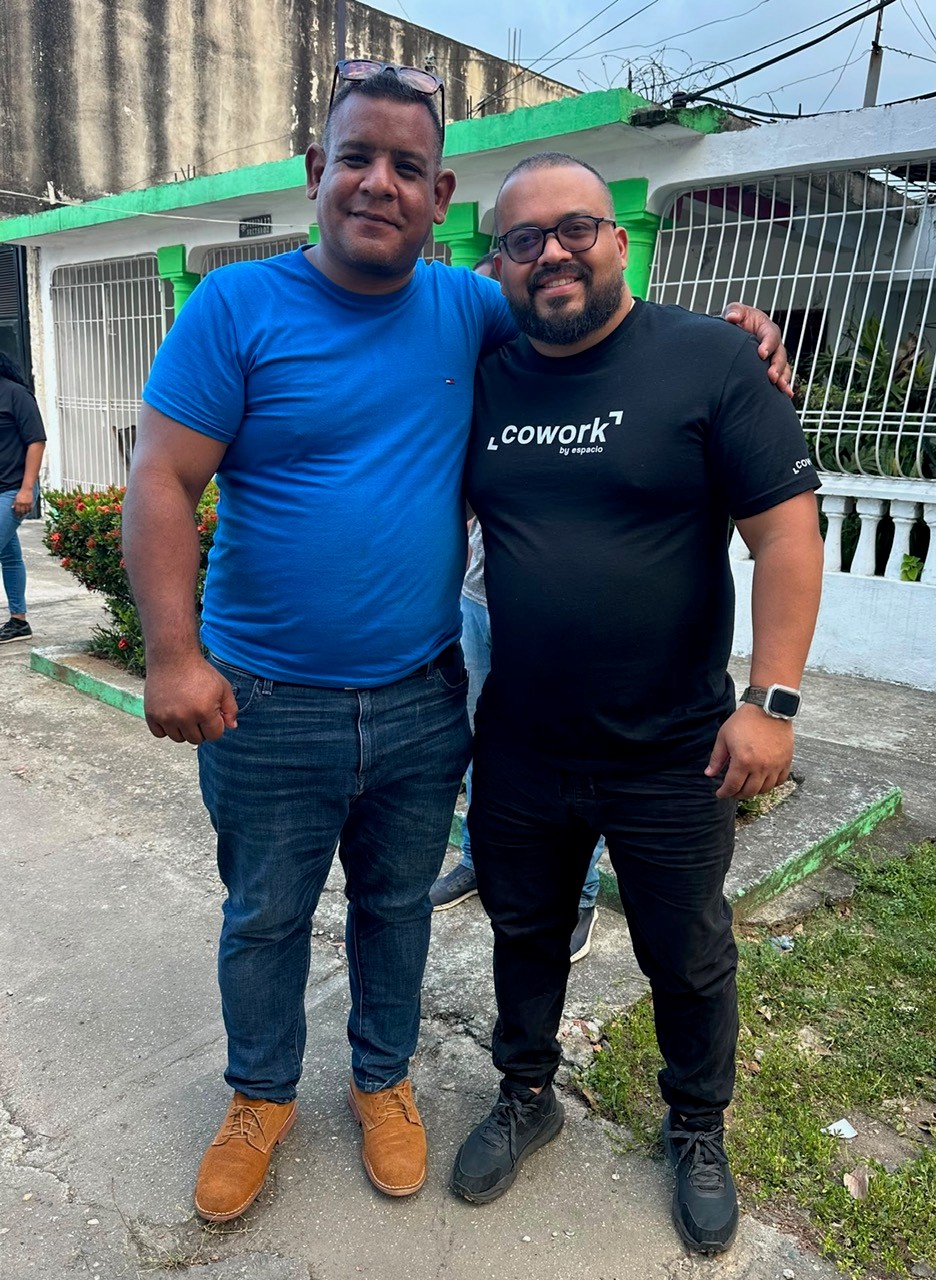
For the past eight years, Pastor Abraham has faithfully served his community. His ministry has never depended on outside funding. To provide for his family, he grows and sells plantains while dedicating himself to caring for the people around him.
When the earthquake struck and the power failed, something remarkable happened.
People naturally began gathering at his church.
Not because it had electricity. Not because it was equipped as an emergency center. But because it was the place they trusted.
Families came looking for food, information, prayer, encouragement, and hope. His church became a refuge simply because Pastor Abraham had spent years building relationships and serving his neighbors with consistency and compassion.
Pastor Abraham is not alone.
Over the years, he has developed close friendships with nine other pastors serving communities throughout the earthquake’s epicenter. Like him, they have spent years earning the trust of their neighbors. Their church buildings are simple, but their commitment to their communities is extraordinary.
Together, these ten pastors share a common vision: to transform their churches into Community Refuge Centers that can operate 24 hours a day, seven days a week whenever disaster strikes.
Rather than building new facilities, we want to equip the places where people already gather.
For more than ten years, Next Step has partnered with churches and community leaders throughout Venezuela—not simply to respond to crises, but to help communities become stronger, more resilient, and better equipped to care for one another.
Our goal is to equip these ten churches with the tools they need to become fully operational Community Refuge Centers.
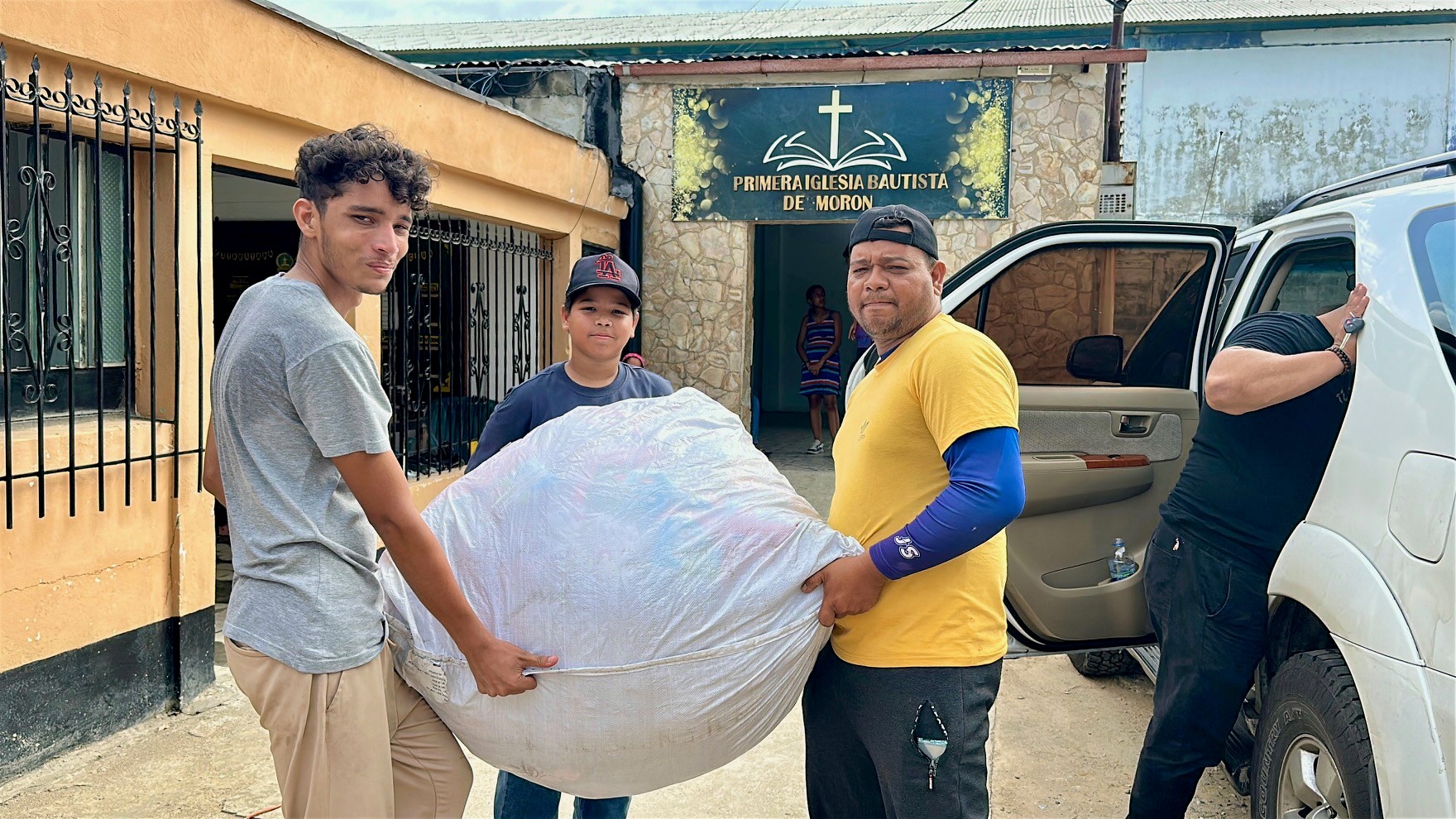
Each center will provide practical services during emergencies, including hot meals, safe drinking water, charging stations for mobile phones, emergency lighting, basic medical care, temporary shelter for vulnerable families, pastoral counseling, and the distribution of humanitarian supplies. During times of crisis, these churches will become hubs of hope, compassion, and coordinated community response.
Each Community Refuge Center will be equipped with a generator, an industrial kitchen, water storage and purification systems, emergency medical kits, communication equipment, mattresses, tents, lighting, tables, chairs, and other essential resources needed to operate independently during prolonged power outages.
The investment is approximately US$7,500 per church, or US$75,000 to equip all ten churches.
Our vision is not simply to respond to one earthquake.
It is to establish a permanent network of trusted Community Refuge Centers that will continue serving their neighborhoods during future disasters, public health emergencies, and community needs for years to come.
Pastor Abraham’s church reminds us of an important truth: people do not first seek a building—they seek people they trust. Our goal is to ensure that when they arrive, the church has the resources needed to serve them with dignity, compassion, and excellence.
The buildings already exist.
The pastors are already serving.
The relationships have already been built.
Now we have an opportunity to equip these faithful leaders so that, together, they can provide refuge, practical assistance, and hope whenever their communities need them most.
We invite you to partner with Next Step in equipping these ten Community Refuge Centers and helping thousands of families find hope in their greatest time of need.