Everyday life in Venezuela is shaped by a word that is difficult to translate fully into English:
Resolver.
Literally, it means “to solve.” But in Venezuela, it means much more. It is the ability to improvise, adapt, and somehow find a way forward when the normal systems of life no longer work as they should.
The day before yesterday, I experienced this in a very ordinary but revealing way.
I was exhausted and had just closed my eyes to take a nap when the water suddenly came back on. I immediately got up and ran to take a shower because I had no idea how long the water would remain available—or when it might return again.
That is life here.
You learn not to assume that electricity, water, transportation, medicine, gasoline, or internet service will be available when you need them. When something becomes available, you act. You adjust your plans. You take advantage of the moment.
You resolve.
In Venezuela, people often ask each other:
“¿Cómo resolviste?”
In English, we might translate it as, “How did you manage?”
But the question is not simply asking how you solved a technical problem. It is asking how you overcame today’s obstacle. How did you find the medicine? How did you get fuel? How did you feed your family? How did you complete the work when the electricity went out? Who helped you? What alternative did you discover?
To resolver means finding gasoline when the stations are empty.
It means locating medicine that has disappeared from the pharmacies.
It means working around power outages, water shortages, transportation problems, and unreliable internet.
It means depending upon family, neighbors, churches, friendships, and trusted relationships to accomplish what formal institutions often fail to provide.
It means constantly improvising because tomorrow’s prices, rules, services, and opportunities may be different from today’s.
It is the art of making a way when there appears to be no way.
During these days in Venezuela, I have watched people do this again and again. They repair what others would discard. They share what little they have. They create informal businesses. They exchange favors, information, transportation, food, and skills. They do not wait for perfect conditions before acting.
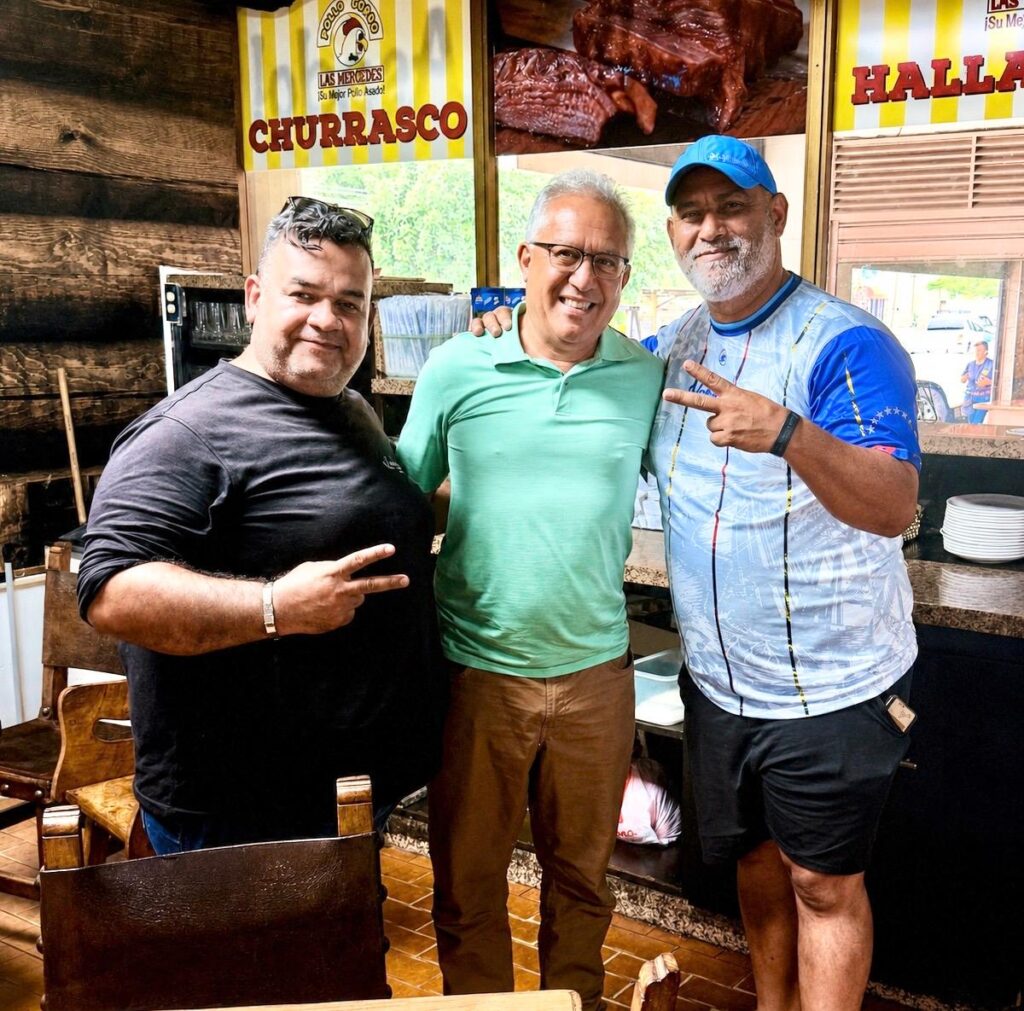
I love my people, and they teach me every day how to thrive in the middle of chaos.
But we should not romanticize the hardship.
The resolver mindset was born out of necessity. It reflects the painful breakdown of systems that people should be able to depend upon. Enormous amounts of human energy are spent overcoming problems that should not exist in the first place. All of this takes an enormous toll on people creating all types of mental, physical and spiritual challenges.
Yet within this hardship, something valuable has also been formed.
Venezuelans have developed extraordinary resilience, creativity, flexibility, and entrepreneurial instinct. They know how to identify what is missing, work with limited resources, build relationships, and act quickly. These are not merely survival skills. They are also the foundations of enterprise, leadership, and community renewal.
This is why I believe the opportunity in Venezuela is greater than many people outside the country can see.
The country is not empty of talent. It is overflowing with resourceful people.
What is often missing is not motivation, intelligence, or willingness to work. What is missing is access to tools, capital, mentoring, reliable infrastructure, and trustworthy partnerships that can help people move from surviving to building.
The opportunity before us is to help transform resolver from a daily survival mechanism into a force for long-term restoration.
Imagine what could happen if the person who has learned to improvise during constant shortages receives the equipment to start a business.
Imagine what could happen if the local church that already serves as the community’s trusted meeting place is equipped to become a center of food distribution, communication, training, medical assistance, and economic activity.
Imagine what could happen if young entrepreneurs who have learned to work without dependable systems are given mentorship, investment, and access to wider markets.
They are already solving problems.
Our role is not to arrive believing that we have all the answers. Our role is to come alongside them, listen, invest, connect, and help create the conditions in which their resourcefulness can produce something sustainable.
This is the opportunity here and now.
Venezuela does not need to be viewed only as a place of crisis, tragedy, and need. It must also be seen as a place of extraordinary human capacity.
My friends here have taught me that resilience is not passive endurance. It is active creativity. It is the refusal to surrender to circumstances. It is the determination to find another path.
That is resolver.
But our hope is for something even greater: that Venezuelans will no longer have to spend all their strength simply overcoming the failures of each day.
The next chapter must be about building systems that work, enterprises that create dignity, churches that strengthen their communities, and partnerships that allow people to plan beyond tomorrow.
Resolver has helped Venezuela survive.
Now it can become part of how Venezuela rebuilds.